Introduction
For e-commerce managers, every interaction with a potential customer is an opportunity to drive revenue. When you hide prices on specific products – whether for MAP compliance, specific B2B scenarios, or premium items – the method you use to reveal that price can significantly impact your conversion rates. Peekaboo Pricing offers a unique solution: time-limited price reveal links sent directly to customers via email after they submit an enquiry.
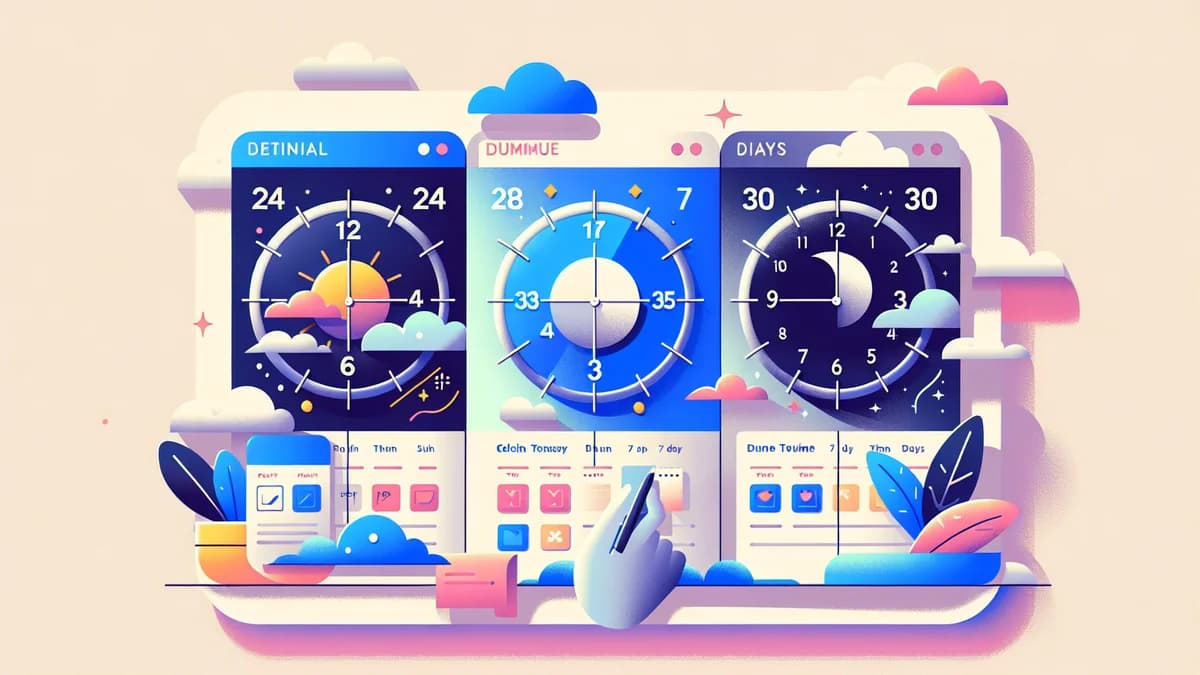
A critical decision in this process is determining the optimal Shopify price reveal link duration. Should it be a short 24-hour window, a standard 7-day period, or a more extended 30 days? The optimal duration isn't one-size-fits-all; it depends heavily on your product, target audience, and sales strategy. This article will explore the pros and cons of each duration, offering insights to help you make an informed, data-driven choice for your Shopify store.
Understanding the Price Reveal Link Mechanism
A price reveal link is a secure, unique URL sent to a customer's email address after they’ve expressed interest in a product with a hidden price. Clicking this Shopify price unlock link grants them temporary access to the product's actual price on your store, allowing them to proceed to purchase through the standard Shopify checkout. This mechanism bridges the gap between a lead inquiry and a completed sale, providing a seamless customer journey.
Peekaboo Pricing specialises in this functionality, offering merchants the flexibility to configure the expiry duration for each hide price type. This means you can tailor the link's lifespan based on specific product categories or customer segments, ensuring your approach aligns with the unique demands of different sales scenarios. The goal is to provide enough time for genuine buyers to act, without creating an open-ended access window that diminishes urgency or introduces security risks.
Factors Influencing Shopify Price Reveal Link Duration
Selecting the ideal duration for your time-limited price link requires a strategic approach. Consider these key factors before settling on a timeframe:
Product Complexity and Purchase Cycle
- Simple vs. Complex: Is your product an impulse buy or a considered purchase? High-value items, B2B equipment, or custom solutions typically involve longer decision-making processes, often requiring internal approvals or consultations.
- Average Sales Cycle: Analyse your historical sales data. How long does it typically take from initial inquiry to purchase for different product types? Align your link duration with these established cycles.
Target Audience and Urgency
- B2C vs. B2B: Business-to-consumer (B2C) purchases often have shorter decision windows, driven by individual desire or immediate need. Business-to-business (B2B) transactions, especially for large orders, involve multiple stakeholders and procurement processes, demanding more time.
- Urgency vs. Consideration: A shorter link duration can create a sense of urgency, prompting quicker action. A longer duration prioritises thoughtful consideration, reducing pressure but potentially increasing the risk of the lead cooling off.
Inventory and Pricing Volatility
- Stock Levels: If you sell limited-stock items or products with rapidly changing inventory, a shorter link duration helps ensure the price and availability remain accurate when the customer returns to purchase.
- Price Fluctuations: For products where pricing is volatile due to market conditions or supplier costs, a shorter link window (e.g., 24 hours) minimises the risk of a customer seeing an outdated price, which could lead to confusion or dissatisfaction.
Sales Team Follow-up Strategy
- Manual vs. Automated Follow-up: If your sales team actively follows up with every lead, a longer link duration (e.g., 7 days) provides more time for them to connect with the customer before the link expires. For fully automated reveal link processes, the duration needs to stand on its own.
- Enquiry-Only Types: Remember, Peekaboo Pricing also allows for enquiry-only hide price types where reveal links are disabled. These are ideal for products requiring custom quotes or extensive consultation, bypassing the link duration question entirely for those specific scenarios.
Option 1: The Short Window (24 Hours)
A 24-hour expiry window for your price reveal link Shopify strategy is a powerful tool for specific scenarios. It's designed to create immediate action and filter out less serious inquiries.
Pros of a 24-Hour Duration
- Creates Urgency: A short deadline encourages customers to act quickly. This can be highly effective for products that benefit from impulse purchasing.
- Qualifies Leads: Customers who act within 24 hours are often highly motivated and further down the purchase funnel, indicating a stronger buying intent.
- Maintains Price Accuracy: Ideal for products with fluctuating prices or limited stock, ensuring the revealed price remains valid during the decision window.
- Faster Conversion Cycle: Shortens the time from inquiry to purchase, improving your sales velocity metrics.
Cons of a 24-Hour Duration
- Potential for Alienation: May be too short for customers who need to consult with others, compare options, or simply have a busy day, leading to missed opportunities.
- Higher Abandonment: For products requiring more thought, a restrictive timeframe could result in higher cart abandonment rates if customers feel rushed.
Best Use Cases for 24-Hour Links
- Flash Sales or Limited-Time Offers: When the price itself is a temporary promotion, a 24-hour link reinforces the urgency.
- High-Demand, Fast-Moving B2C Products: Electronics, fashion trends, or items prone to selling out quickly where immediate action is beneficial.
- Competitive Markets: If your competitors often change prices, a 24-hour link ensures your offer is current.
- Post-Event Follow-ups: After a live webinar or virtual event, offering a 24-hour exclusive deal.
Option 2: The Balanced Approach (7 Days)
The 7-day expiry is often considered the sweet spot for many e-commerce businesses. It offers a good balance between urgency and flexibility, accommodating most B2C and lighter B2B sales cycles.
Pros of a 7-Day Duration
- Ample Consideration Time: Provides customers with a full week to consider their purchase, compare options, and consult with family or colleagues without feeling overly rushed. This is especially useful for items that aren't impulse buys.
- Includes a Weekend: A 7-day window often spans a weekend, which is a prime time for many consumers to research and make purchasing decisions.
- Reduces Friction: Less likely to frustrate customers who might be busy or need a little extra time, leading to a smoother customer experience.
- Standard for Many B2B Enquiries: For B2B products that don't require extensive customisation or multi-departmental approval, 7 days can be sufficient for initial decision-making.
Cons of a 7-Day Duration
- Less Urgency: While balanced, it doesn't carry the same immediate call-to-action as a 24-hour link, potentially leading to some procrastination.
- Potential for Lead Cooling: A week is long enough for some leads to lose interest if not properly nurtured with follow-up communications.
Best Use Cases for 7-Day Links
- Most B2C Products: Apparel, home goods, mid-range electronics, or anything that requires a thoughtful but not exhaustive decision process.
- Standard B2B Products: Office supplies, general machinery parts, or software licences where the buyer might need to get a manager's sign-off. Peekaboo Pricing is perfect for scenarios like an authorised dealer hiding MAP-restricted prices, where a 7-day window allows compliance and sufficient buying time.
- General Price Enquiries: When the primary goal is to capture a lead and provide price access, a 7-day window is a safe and effective default.
Option 3: The Extended Period (30 Days)
A 30-day expiry window is designed for products or services with significantly longer sales cycles, typically found in complex B2B environments or for very high-value B2C items.
Pros of a 30-Day Duration
- Accommodates Long Sales Cycles: Essential for B2B purchases involving multiple stakeholders, budget approvals, and extensive research or consultation processes. This is where a secure price link Shopify becomes invaluable for giving buyers the necessary time.
- Reduces Customer Pressure: Allows customers to take their time, ensuring they feel confident and unpressured, which is crucial for high-value transactions.
- Flexibility for Follow-up: Gives your sales team ample opportunity to engage with the lead, provide additional information, and build rapport before the link expires.
- Ideal for Complex Solutions: For custom configurations, large orders, or solutions requiring integration, a month provides the necessary lead time.
Cons of a 30-Day Duration
- Diminished Urgency: The extended timeframe can significantly reduce the sense of urgency, potentially leading to leads being forgotten or indefinitely postponed.
- Price Volatility Risk: A month is a long time for prices to remain static. You risk customers seeing an expired price or needing to re-inquire if market conditions change.
- Lower Conversion Rate from Link Clicks: While ideal for complex sales, the direct conversion rate from the link itself might be lower as customers engage in more offline discussions.
Best Use Cases for 30-Day Links
- High-Value B2B Equipment: Industrial machinery, commercial vehicles, or large-scale IT infrastructure where procurement takes weeks or months.
- Custom Projects or Services: When a product involves significant customisation or a service contract, allowing time for detailed proposals and revisions.
- Real Estate or Luxury Goods: For very high-ticket consumer items that require considerable financial planning and family discussion.
- Wholesale Accounts: For B2B wholesalers using Peekaboo's assignment rules to gate prices, a 30-day link allows business buyers to get internal sign-off for bulk orders.
Strategic Implementation with Peekaboo Pricing
The true power of choosing the right Shopify price reveal link duration lies in the flexibility offered by tools like Peekaboo Pricing. You don't have to pick just one duration for your entire store.
Configuring Per Hide Price Type
Peekaboo Pricing allows you to create unlimited hide price types, each with its own specific settings, including the reveal link duration. This means you can:
- Create a "Quick Quote" type: For high-demand B2C products, with a 24-hour link.
- Develop a "Standard Enquiry" type: For most products, using a 7-day link.
- Set up a "B2B Project Pricing" type: For complex wholesale items, with a 30-day link.
Leveraging Assignment Rules
With Peekaboo's assignment rules, you can automatically apply different hide price types based on product attributes like vendor, tags, product type, collection, or even customer login status. This ensures that the correct reveal link duration is automatically applied to the right products. For example, all products tagged "wholesale" could receive a 30-day link, while all products in the "clearance" collection get a 24-hour link.
A/B Testing and Analytics
Don't guess; test. Peekaboo Pricing tracks analytics for submissions, reveal link clicks, and conversions per hide price type. This data is invaluable for A/B testing different link durations. For instance, you could test a 7-day link against a 5-day link for a specific product category to see which performs better in terms of conversion rate and lead quality. Continuously monitor these metrics to refine your strategy.
Integrating with Your Follow-up Strategy
Regardless of the duration, ensure your Shopify reveal price email and subsequent follow-up communications are clear and action-oriented. If you opt for a shorter link, your initial email must clearly state the expiry. For longer links, a well-timed email nurture sequence can help re-engage customers before their access expires, reminding them of the value proposition and prompting them to complete the purchase.
Beyond the Link Duration: Maximising Conversion
While link duration is crucial, it's part of a larger ecosystem designed to convert leads into sales. Peekaboo Pricing supports this holistic approach:
- Professional Email Templates: Ensure your reveal emails are branded and clearly communicate the value and urgency (if applicable).
- Reliable Lead Capture: Peekaboo's robust system ensures no enquiry is lost, with automatic email retry and failure alerts, so every potential customer gets their reveal link.
- Customisable Forms: Use Peekaboo's form builder to pre-qualify leads effectively, ensuring only serious inquiries receive a secure price link Shopify offers.
- Content-Only Types: For products truly not for online sale, use a content-only hide price type to drive foot traffic or provide alternative contact methods, bypassing the reveal link entirely.
Related Articles
Continue your learning with these related resources:
- How to Hide Prices on Shopify: The Complete Implementation Guide (Comprehensive Guide)
- How to Track Who Clicks Your Price Reveal Links on Shopify
- Your First Hidden Price Setup on Shopify in Under 10 Minutes
- The 3 Display Modes for Hidden Prices on Shopify Explained
- Hyper Theme Price Hiding: A Complete Setup Guide for Shopify Stores
- How to Add a Price Request Form to a Shopify Product Page
Conclusion
The decision regarding the optimal Shopify price reveal link duration is a strategic one, directly impacting your conversion rates, lead quality, and overall sales efficiency. Whether you opt for the urgency of 24 hours, the balance of 7 days, or the consideration window of 30 days, the optimal choice depends on a careful analysis of your products, customer base, and sales process.
With Peekaboo Pricing, you gain the flexibility to tailor this duration for different scenarios, empowering you to create a dynamic and highly effective pricing strategy. By leveraging time-limited price links intelligently and continuously monitoring your analytics, you can optimise your hidden pricing strategy to drive more sales and enhance your e-commerce manager's ROI.