Introduction
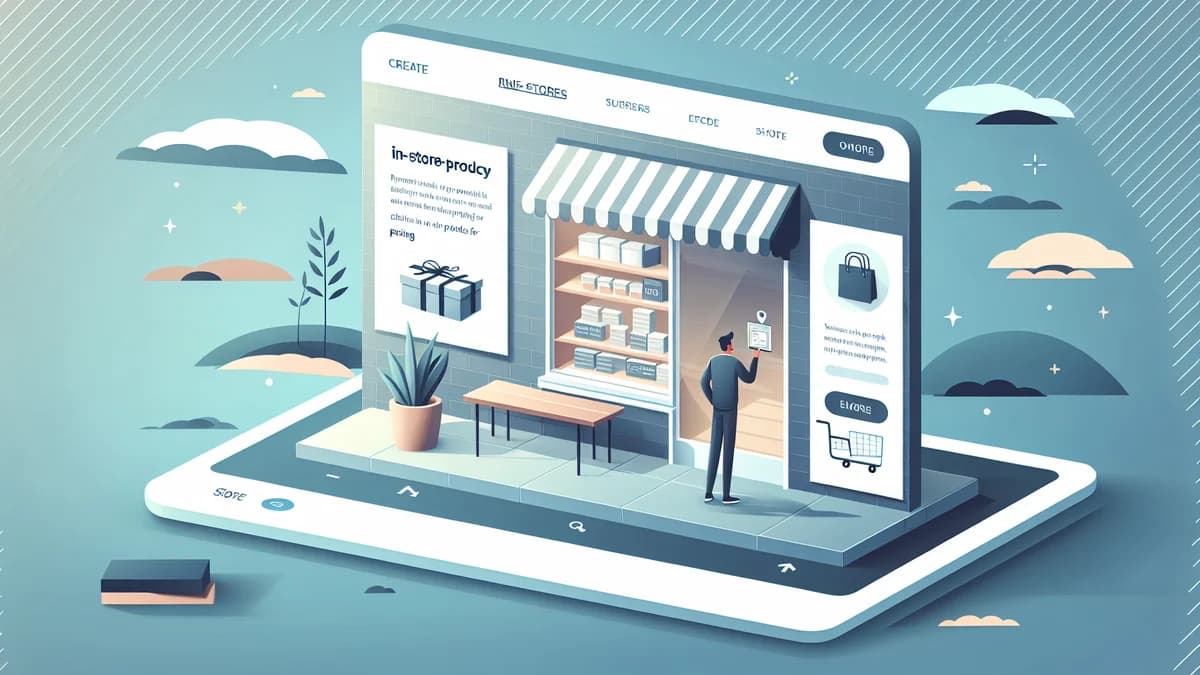
For many e-commerce businesses, a physical storefront complements their online presence, offering a unique customer experience that digital channels cannot fully replicate. A key strategy to bridge these two worlds is by strategically showcasing products that are exclusively available for purchase in-store within your Shopify online catalogue with in-store exclusives. This approach, often referred to as "showrooming" in reverse, allows you to leverage your Shopify store as a powerful marketing tool to drive foot traffic to your physical location.
The challenge lies in presenting these in-store only products effectively online without confusing customers or enabling online transactions. E-commerce managers need solutions that hide pricing, prevent checkout, and clearly direct customers to the physical store, all while maintaining a seamless brand experience.
The Strategic Value of In-Store Exclusives
Offering products exclusively in-store within your Shopify online catalogue with in-store exclusives is not merely an operational necessity; it's a deliberate strategic choice that can deliver significant business benefits. These products serve as powerful incentives for customers to visit your physical location, enriching their overall brand interaction.
Driving Foot Traffic and Experiential Retail
In-store exclusives create a compelling reason for customers to make a trip. They transform your physical store into a destination, offering unique items that cannot be found elsewhere online. This encourages customers to engage with your brand in a more immersive way, experiencing products firsthand, receiving personalised consultations, or participating in unique events.
Enhancing Brand Perception and Exclusivity
By reserving certain products for your physical store, you cultivate an aura of exclusivity and premium value. This strategy can elevate your brand's perception, suggesting that these items warrant a special visit. It reinforces the idea that some experiences and products are simply too valuable or complex to be fully appreciated through a screen.
Fostering Impulse Purchases and Upselling
Once customers are in your store, the likelihood of impulse purchases significantly increases. While they may have come for a specific in-store exclusive, they are exposed to your entire product range. This presents opportunities for your sales associates to upsell, cross-sell, and build stronger relationships, leading to a higher average transaction value.
Challenges of Displaying In-Store Exclusives Online
While the benefits are clear, integrating in-store only products into your Shopify online catalogue with in-store exclusives comes with its own set of challenges. Without proper management, you risk frustrating customers and creating operational headaches.
Preventing Online Purchases and Checkout
The primary hurdle is ensuring that products intended for in-store purchase cannot be added to a cart or checked out online. Simply removing the "Add to Cart" button might seem sufficient, but it often leaves an empty space or an unclear message, leading to a poor user experience.
Managing Customer Expectations and Frustration
Customers expect clear information and smooth purchasing paths online. Encountering a product they like with no price or an ambiguous call to action can lead to frustration and a negative perception of your brand. It's crucial to replace the online purchase option with a clear, actionable alternative.
Maintaining Brand Consistency and User Experience
Your online store should reflect your brand's professionalism and user-friendliness. A disjointed experience where some product pages are incomplete or confusing can detract from your overall brand image. The solution must integrate seamlessly with your existing Shopify theme and design.
Best Practices for Showcasing In-Store Exclusives within Your Shopify Online Catalogue
To successfully integrate in-store only products into your Shopify catalogue, a thoughtful approach is essential. These best practices focus on clear communication, engaging content, and effective redirection to your physical store.
1. Clearly Identify In-Store Only Products
Make it immediately obvious to customers that a product is an in-store exclusive. Use clear badges or labels on both collection pages and individual product pages. This proactive communication prevents disappointment and sets accurate expectations from the outset.
- Use Badges: Display a prominent badge like "In-Store Only," "Visit Us for Pricing," or "Showroom Exclusive."
- Strategic Placement: Ensure the badge is visible near the product image or title, where customers typically look for availability information.
2. Craft Engaging Product Page Content
Since customers cannot purchase these items online, their purpose is to entice a visit. Focus on rich content that highlights the unique value and encourages an in-person experience.
- High-Quality Visuals: Showcase the product from multiple angles with professional photos and videos. Visual appeal is key to sparking interest.
- Detailed Descriptions: Emphasise the unique features, craftsmanship, or benefits that necessitate an in-person viewing. Explain why it's an in-store exclusive—e.g., "requires a personalised fitting," "best experienced in our acoustically treated showroom," or "available for custom configuration only."
- Focus on Experience: Describe the sensory aspects or the expertise available in-store. For example, a furniture store might mention "feel the texture in person" or "our design consultants can help you envision it in your space."
3. Hide Pricing and Replace with Actionable Content
This is arguably the most critical step. Instead of displaying a price or an "Add to Cart" button, replace it with a clear, compelling call to action that directs customers to your
Related Articles
Continue your learning with these related resources:
- When and Why to Hide Prices on Your Shopify Store: A Strategic Guide (Comprehensive Guide)
- Automate Shopify B2B Pricing: Vendor-Based Rules for Seamless Wholesale
- How to Stay MAP-Compliant as an Authorised Shopify Dealer
- Setting Up MAP-Compliant Price Hiding on Your Shopify Store
- The Psychology Behind "Contact Us for Pricing" on High-End Products
- Empowering B2B Buyers: Giving Time for Internal Sign-Off Before Purchase on Shopify